Caring for Character: Maintaining Vintage Upholstery
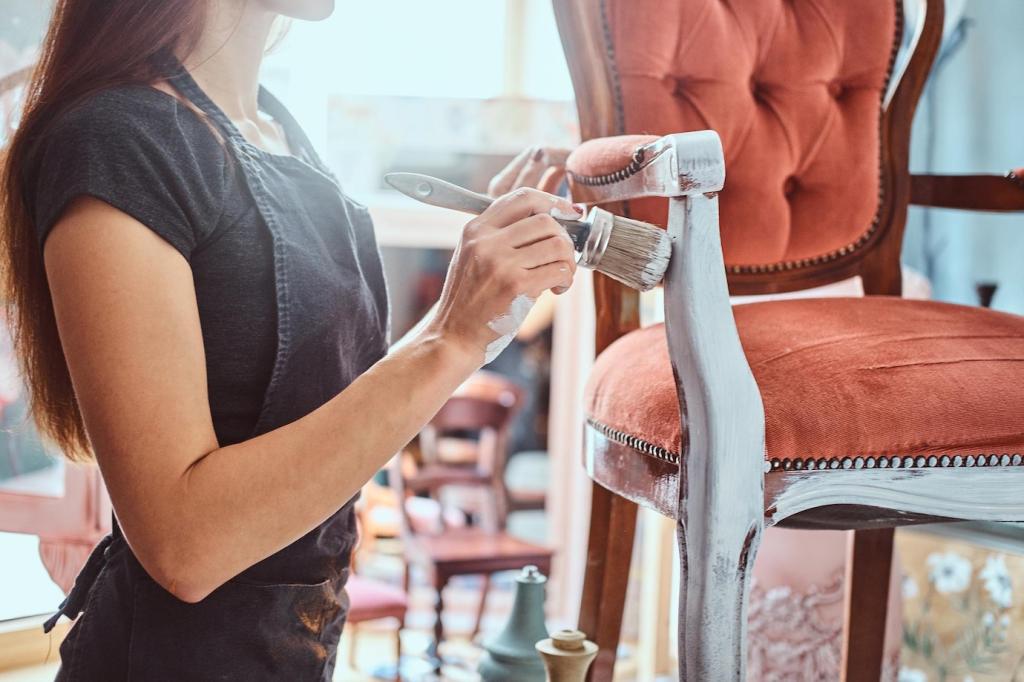
Today’s theme: Maintaining Vintage Upholstery. Discover practical rituals, gentle techniques, and heartfelt stories that keep heritage fabrics comfortable, beautiful, and resilient for decades. Join our community, ask questions, and share your treasured armchairs and sofas as we preserve history one stitch at a time.
Know Your Materials Before You Touch a Thread
Velvet, mohair, damask, and chintz each age differently. Test discreet fibers to gauge strength and dye stability, and always brush with the nap. Share a photo of your fabric’s weave in the comments, and we’ll help you date it and suggest kinder cleaning approaches.
Know Your Materials Before You Touch a Thread
Horsehair, cotton batting, and kapok sit over burlap webbing and hand-tied coils. Overzealous vacuuming can disturb fragile layers. Use a screen to diffuse suction, listen for spring creaks, and note any shifting. Tell us what you hear, and we’ll advise preventive tweaks.
Gentle Cleaning Rituals That Respect Age
Use low-suction vacuuming through a mesh screen and a soft natural-bristle brush to lift abrasive dust. Always work with the nap and support seams. Share your tool kit setup, and subscribe for our monthly checklist of five-minute dusting habits that genuinely extend fabric life.
Gentle Cleaning Rituals That Respect Age
Blot, never rub. Start with distilled water, then a tiny amount of neutral soap if safe. Avoid heat, which sets stains. Test hidden areas first. Post your toughest stain story, and we’ll crowdsource options while reminding everyone to avoid overwetting delicate, time-worn fibers.
Shielding From Light, Humidity, and Daily Life
Use UV-filtering sheers, rotate cushions quarterly, and consider discreet window film. A reader saved her damask chaise simply by moving it two feet from a bay window. Share your room’s sun pattern, and we’ll suggest placement tweaks that protect color and texture gracefully.
Waxed linen thread, a curved needle, and a patient ladder stitch can close opening seams without puckering. Practice on scrap first and anchor knots carefully. Post a photo of your seam issue, and we’ll help decide whether a conservator visit or a home fix makes sense.
Map the original tuft pattern with photos before touching anything. Use strong tufting twine and backer disks, tightening gradually to avoid crushing old pads. If you’ve restored a single button successfully, tell us how it went and help another reader find confidence today.
Old gimp and braid can become brittle. Carefully remove loose sections, clean residues, and use reversible conservation-friendly adhesives sparingly. Shield surrounding fabric from stray glue with parchment. Share your before-and-after snaps and subscribe for our trim identification mini-guide.
Seasonal and Storage Strategies
Dry air encourages static and fiber brittleness. Add humidity, avoid hot vents blasting directly, and check for moth activity in wool blends. Cedar is helpful, but inspect regularly. Comment with your winter routine, and we’ll compile a community checklist you can bookmark.
Seasonal and Storage Strategies
Perspiration salts and high heat need quick attention. Blot promptly, increase airflow with a fan, and monitor for mold in humid regions. One reader saved a linen settee by airing cushions after gatherings. Share your climate hacks and subscribe for our warm-weather care reminders.